A bridge is a structure built to span a physical obstacle without blocking the way underneath. It is constructed for the purpose of providing passage over the obstacle, which is usually something that is otherwise difficult or impossible to cross.
Bridges are not merely structures of steel and stone; they are vital arteries of communication, commerce, and culture. In Bangladesh, a land crisscrossed by rivers, bridges have played a crucial role in shaping the country’s history, economy, and connectivity. Among the hundreds of bridges that span its waterways, a select few hold historical significance due to their age, architectural merit, and cultural value. These historical bridges are not only engineering marvels of their time but also enduring symbols of resilience and progress.
This article explores the most iconic historical bridges in Bangladesh, shedding light on their background, construction, architectural features, and impact on regional development. Whether built during the British colonial era or the early years of independent Bangladesh, these bridges narrate tales of engineering ingenuity and strategic importance.
Top 7 Historical Bridges in Bangladesh
Bangladesh, known as the “Land of Rivers,” has more than 700 rivers flowing through its territory. With such an intricate network of rivers and waterways, bridges are essential for maintaining communication and transportation. Before modern roadways and expressways, bridges were lifelines connecting distant parts of the country, enabling trade, governance, and cultural exchange.
Historical bridges, in particular, served as the foundation for infrastructural development during the colonial period and continue to be relevant even today. They also symbolize the socio-political transitions that occurred during the British Raj, the Pakistan period, and the eventual independence of Bangladesh in 1971.
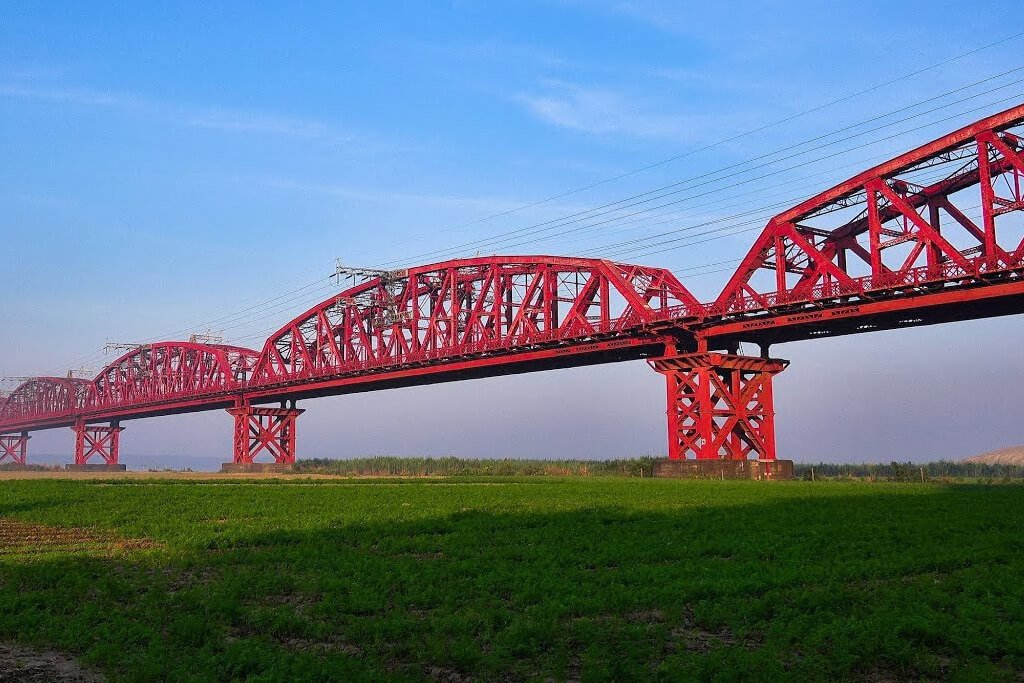
Hardinge Bridge | Historical Bridges in Bangladesh
- Location: Paksey, over the Padma River
- Constructed: 1910-1915
- Designer: Sir Alexander Meadows Rendel
- Type: Steel truss bridge
- Length: Approximately 1.8 kilometers
Hardinge Bridge is arguably the most iconic historical bridge in Bangladesh. Constructed during the British colonial era, it was named after Lord Hardinge, the then Viceroy of India. It was designed to connect the Calcutta (now Kolkata) rail network with Assam and North Bengal, thereby facilitating the movement of goods and people.
The bridge was inaugurated in 1915 and features steel truss construction, which was cutting-edge at the time. Despite over a century of use and exposure to natural elements, the bridge remains functional and continues to support railway traffic.
Significance:
- Facilitated trade between East and West Bengal.
- One of the earliest large-scale infrastructure projects in the Indian subcontinent.
- Symbolizes colonial ambition and engineering excellence.
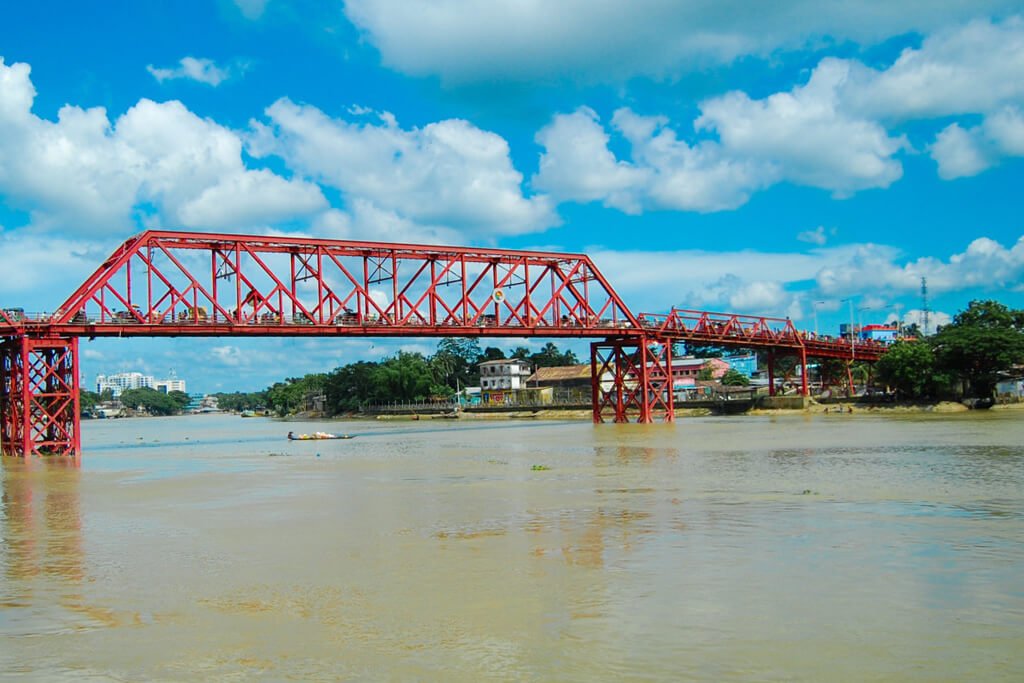
Keane Bridge | Historical Bridges in Bangladesh
- Location: Sylhet, over the Surma River
- Constructed: 1936
- Named After: Sir Michael Keane, the then Governor of Assam
- Type: Steel arch bridge
Often referred to as the “Gateway to Sylhet,” Keane Bridge is one of the oldest and most recognized landmarks in Sylhet. Built during British rule, the bridge was intended to improve access to the Sylhet region, known for its tea estates and hilly terrain.
Its steel arch design is both aesthetically pleasing and structurally robust. The bridge was partially damaged during the Liberation War of 1971 but was later restored to its original form.
Significance:
- Connects Sylhet city with surrounding rural areas.
- A symbol of colonial architectural legacy.
- Frequently featured in local art and literature.

Loharpul Bridge | Historical Bridges in Bangladesh
- Location: Narayanganj, over the Shitalakshya River
- Constructed: 1885
- Type: Iron bridge
Loharpul Bridge is one of the earliest iron bridges in Bangladesh. Located in Narayanganj, it was built to support the thriving jute trade during the British era. Narayanganj was a major commercial hub, and the bridge played a crucial role in transporting goods to and from the port.
Despite its age, the bridge is still in use and stands as a testament to the engineering methods of the 19th century.
Significance:
- Facilitated economic growth in Narayanganj.
- Example of 19th-century British engineering in South Asia.
- Cultural and historical landmark.
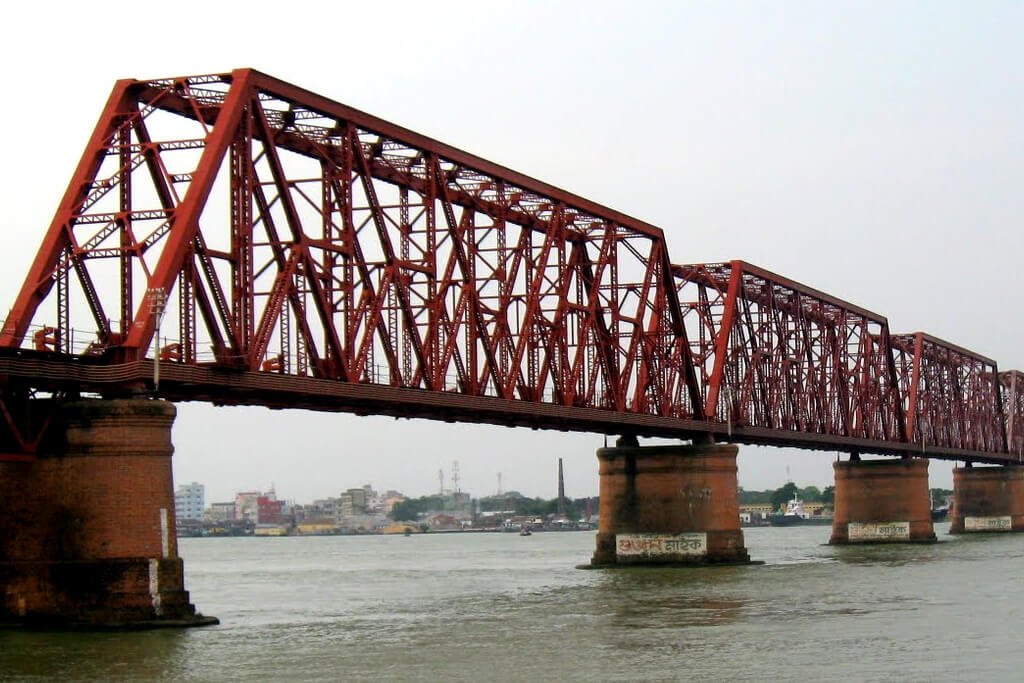
Bhairab Railway Bridge | Historical Bridges in Bangladesh
- Location: Bhairab Bazar, over the Meghna River
- Constructed: 1937
- Type: Steel truss railway bridge
The Bhairab Railway Bridge was constructed to enhance railway connectivity between Dhaka and the eastern regions of Bengal. The bridge spans the Meghna River and remains a vital component of the railway network in Bangladesh.
Over the years, a new parallel bridge was constructed to support increased traffic, but the original Bhairab Bridge still holds historical significance.
Significance:
- Key railway corridor for freight and passenger transport.
- Enhanced regional connectivity.
- Represents colonial infrastructure expansion.
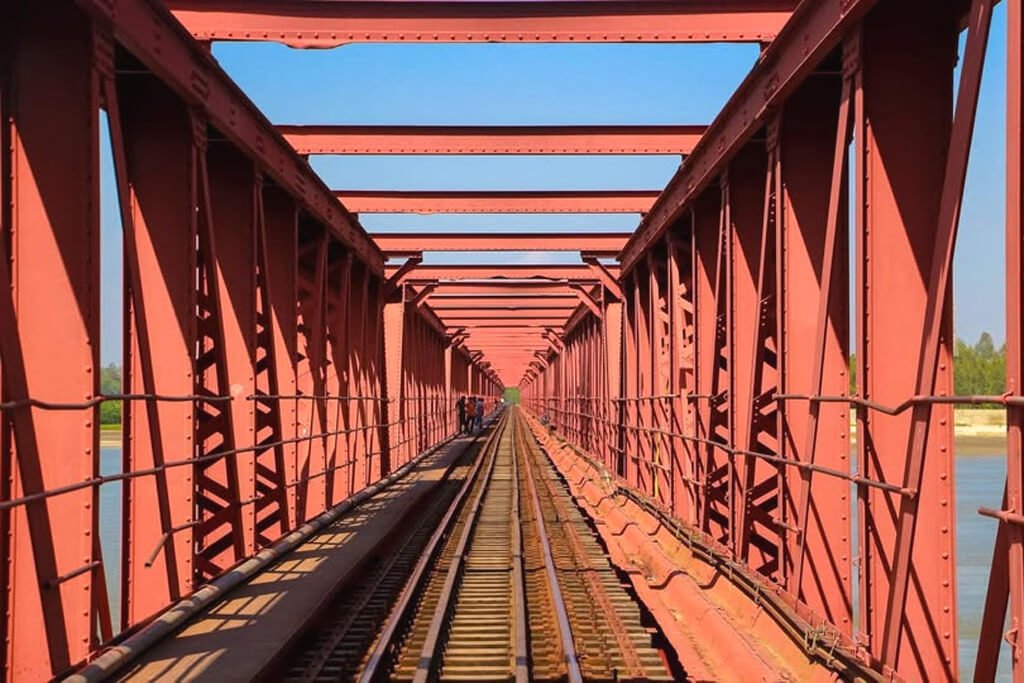
Teesta Railway Bridge | Historical Bridges in Bangladesh
- Location: Lalmonirhat District, over the Teesta River
- Constructed: Early 20th century
- Type: Steel railway bridge
The Teesta Railway Bridge played a vital role in connecting the northern districts of Bangladesh. It was part of the railway expansion during the British period and served as a key link for transporting agricultural produce.
Although newer bridges have reduced its utility, the Teesta Railway Bridge remains an important part of the region’s history.
Significance:
- Promoted agricultural trade.
- Strengthened colonial governance through better connectivity.
- Historical importance in North Bengal.

Anderson Bridge | Historical Bridges in Bangladesh
- Location: Kishoreganj, over the Narsunda River
- Constructed: 1930s
- Named After: British engineer Anderson
- Type: Steel truss bridge
The Anderson Bridge in Kishoreganj was built to facilitate movement in and out of the district. It features a steel truss design and is among the lesser-known yet historically significant bridges in Bangladesh.
Significance:
- Supported administrative mobility during British rule.
- Remains a local landmark.
- Reflects engineering techniques of the early 20th century.
Victoria Bridge | Historical Bridges in Bangladesh
- Location: Pabna, over the Ichhamati River
- Constructed: Late 19th century
- Named After: Queen Victoria
Victoria Bridge is another relic from the British colonial era. Though not as large as Hardinge Bridge, it was vital for local connectivity and economic activity in the Pabna region.
Significance:
- Named to honor British monarchy.
- Symbolizes British presence in rural Bangladesh.
- Facilitated local trade and movement.
Preservation and Challenges
Many of these historical bridges face the risk of decay due to aging infrastructure, lack of maintenance, and increasing traffic loads. Urbanization and climate change have also contributed to their vulnerability. While some bridges have been restored and preserved, others remain in dire need of attention.
Government initiatives, local heritage groups, and civil engineers have emphasized the need to conserve these architectural treasures. Restoring these bridges not only preserves history but also promotes cultural tourism.
Conclusion
Historical bridges in Bangladesh are more than just old structures; they are enduring symbols of the country’s journey through time. From the colonial-era marvels like Hardinge Bridge to the lesser-known yet historically rich structures like Anderson and Victoria Bridges, these engineering feats have played crucial roles in shaping the socio-economic and cultural landscape of the country.
Preserving them is essential not only for their historical and architectural value but also for fostering a deeper understanding of the nation’s past. As Bangladesh continues to modernize its infrastructure, these bridges serve as important reminders of how far the nation has come—and the foundation upon which its future is built.
]]>